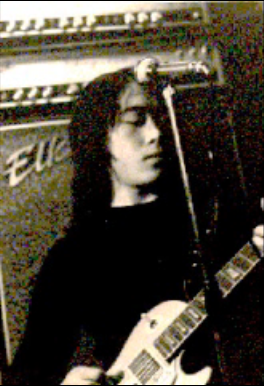
mandrake was a japanese progressive rock band formed in 1973, and susumu hirasawa's first serious foray into music. in its five years of life, mandrake laid the groundwork for the formation of p-model and hirasawa's career.
in his early life, hirasawa was already a guitarist who had taught himself to play in elementary school, wanting to emulate the surf rock he grew up with. but by high school he was thinking of giving up on music as a hobby and took up motocross instead. his classmate fumiyasu abe wanted to form a band with him, an offer that hirasawa initially refused. however, after hirasawa's motorcycle was totaled by a truck, he decided to take up abe's offer and the two formed a band.
from the very beginning mandrake didn't have a concrete vision, and was always changing stylistically. they started off playing blues, then metal, and then progressive rock after abe learned how to play violin. he then wrote the 19-minute long prog epic deranged door. hirasawa and abe came up with the name "mandrake" after flipping through a book about alchemy.
after their first concert was a complete failure, abe and hirasawa sought out like-minded people to join the band. they consistently ran into issues with what they saw as a seedy and predatory music scene that was linked to the entertainment industry. eventually they were joined by yasumi tanaka as the bassist and sadatoshi tainaka as the drummer. abe left the band after a breakup and was replaced by hiromi seki, who didn't play any sort of instrument before he joined. hirasawa reluctantly became the new lyricist and singer. seki left in 1975, and was later replaced by bassist and secondary vocalist touru akutsu.
mandrake performed consistently for the next few years, but their concerts would never bring more than a few hundred people even at the height of their popularity. the prog scene in tokyo at the time was very small, and the musicians who were active in the scene had much more money and resources than the middle-class hirasawa, who felt alienated by his social status among what he saw as pretentious musicians.
later in the 70s as prog rock became more commercialized, hirasawa felt that the genre had lost its meaning, and he and tanaka experimented with synthesizers, inspired by the emerging new wave genre. (side note: i have no idea when hirasawa learned how to play keyboards, to my frustration. however some details of hirasawa's early career are lost to time or behind a language barrier.) in 1978, he was hired by the electro sound corporation, a synthesizer studio, and recorded an album called synthetic study with the company's band, the bach revolution. it was meant to be teaching material for the classes that hirasawa taught, and it was the only album that mandrake recorded during its existence. and hirasawa felt like he "sold his soul" being made to do instrumental versions of pop songs.
hirasawa submitted a multi-track synthesizer song for a contest held by the magazine weekly playboy (lol) called いりよう蜂の誘惑 (temptation from necessity bees). this was his first composition to be officially released under his name.
the last mandrake concert was on new year's eve 1978, after which hirasawa and the other members (notably without the knowledge or permission of bassist touru akutsu) agreed to disband mandrake and form a new wave inspired group known as p-model.
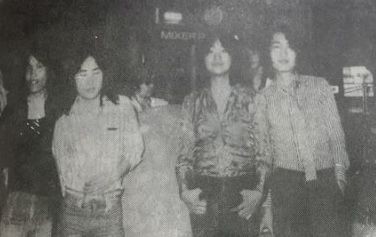
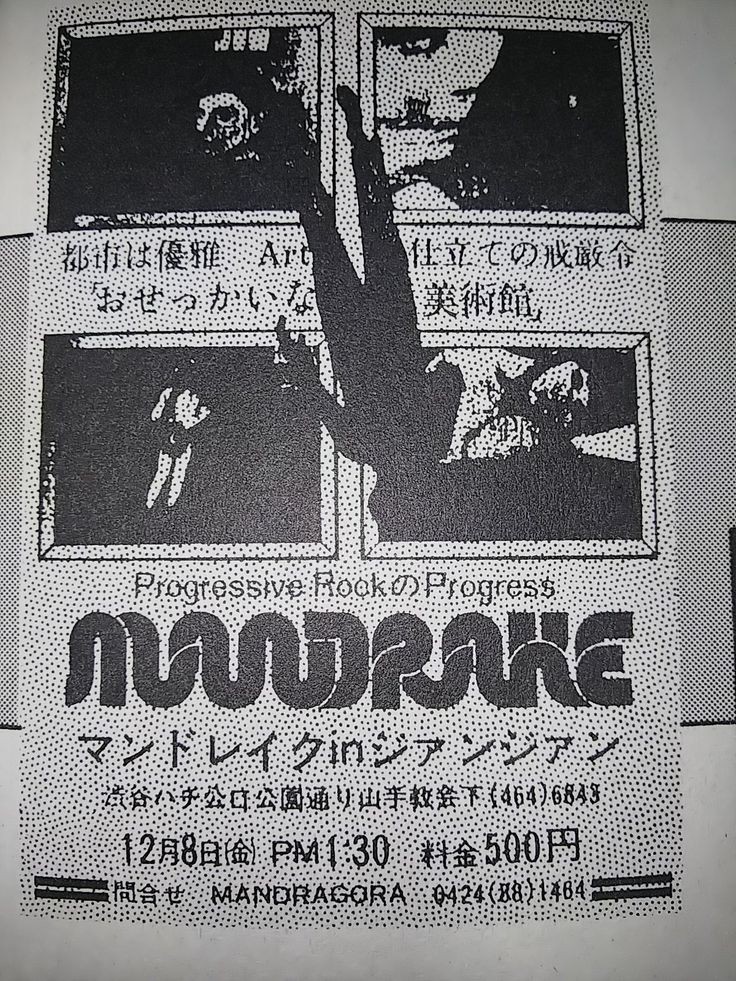
mandrake's lyrics were some of the darkest hirasawa has ever written. only a few songs have been translated into english, and they often evoke imagery of evil authority figures, murder and modern urban loneliness. hirasawa himself was an outcast in school and dissatisfied with the alienation and social inequality of modern japanese society, themes that would end up deeply influencing his work throughout his life, although in an admittedly more fantastical way.
hirasawa and tanaka got along very well and turned out to be an excellent songwriting duo. sometime between mandrake's dissolution and p-model's first album in 1979, they had recorded a series of electronic songs that were later released in 1994 as air on the wiring.
during the 80s and 90s, mandrake songs were available only as bootleg tapes that were occasionally pressed to vinyl in small productions, without hirasawa's knowledge or consent. he knew there was demand for an official mandrake release, but he seems to have been ashamed of his earlier work at the time. after having fallen gravely ill (he got better) and in response to fan pressure, hirasawa decided to release his personal recordings to the public via a specialty record label in 1997, and later rereleased under his personal label teslakite.
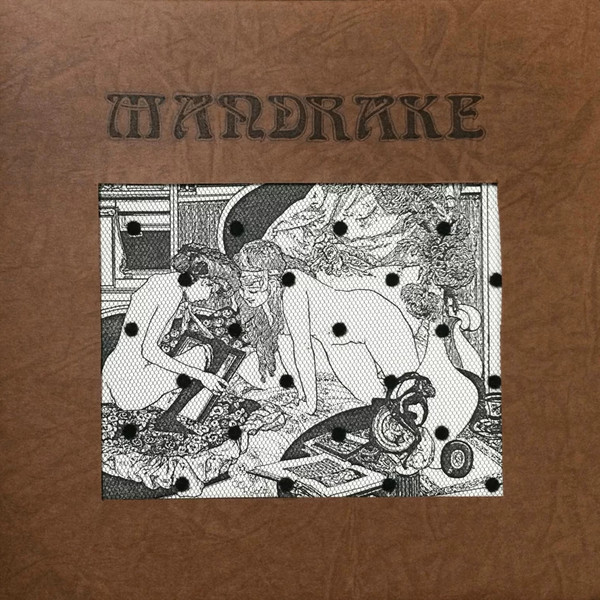
it is very unfortunate, although understandable, that no mandrake performance was ever filmed, and very few photos exist of them performing at all. there are a few photos of hirasawa from the 70s. if you want to see all of the photos i've found click here.
i'm not the biggest fan of prog personally, although i've enjoyed listening to the group yes in the past (which hirasawa was inspired by in addition to others like king crimson). my favorite song might be when the night comes, which only exists as a bootleg because hirasawa apparently thought it was too "sentimental" to include on an official release. as if he has never made a sentimental song ever (HE HAS. QUITE A FEW TIMES ACTUALLY.)
my personal recommendation for listening to mandrake is the bootlegs that have been posted on youtube, as they ironically have higher quality than the official cd recordings that were taken from hirasawa's 2-track recorder. however the cds are quite collectable and the liner notes contain information about mandrake as well as a rerelease of temptation from necessity bees, which was previously only available on the 1978 compilation album synthetic space.
there is a lot more information available than what i have written here. for a more in-depth history of mandrake and hirasawa's activities in the 70s, check out the english wikipedia article. yes, i know wikipedia isn't a "reliable" source by itself, however some very dedicated individuals have done the work of translating and citing hirasawa's autobiography and comments in this article, and their work is the definitive source of information in english on this forgotten band.